What Is IV Sedation Dentistry?

Experience Comfortable Dental Care with IV Sedation

You are not alone; millions of people deal with dental anxiety every day. For most patients, it’s the #1 reason they avoid getting the care they need. Not anymore. Modern dentistry introduces a powerful solution: IV Sedation. This is a safe and effective method that helps patients feel relaxed and stress-free throughout their dental treatment.

Dental Anxiety

What Is IV Sedation Dentistry?

IV sedation uses a carefully controlled sedative delivered through a small IV line. It creates a deeply relaxed, dream-like state.

Here are some of the benefits of IV sedation:

  • Anxiety fades away
  • You feel calm, safe, and comfortable
  • You remain conscious and able to respond
  • You may remember little or nothing afterward
  • Time passes quickly

Who Benefits Most From IV Sedation?

This form of relaxation dentistry is ideal for patients who identify with the following:

  • Experience moderate to severe dental anxiety
  • Have a fear of needles or drills
  • Avoid the dentist because of past negative experiences
  • Need multiple dental treatments in one visit
  • Have trouble sitting still or get overwhelmed easily
  • Have a strong gag reflex

Benefits of IV Sedation in Modern Dentistry

Deep Relaxation and Comfort

IV sedation creates a calm, tranquil sensation that makes dental treatment feel easier and more manageable. Even patients with severe dental fear report feeling relaxed throughout the appointment.

Customized Sedation Levels

Your sedation level can be adjusted in real time, making IV sedation one of the safest and most controllable forms of dental sedation.

Perfect for Longer Procedures

IV sedation is ideal for treatments such as extractions, dental implants, root canals, and full-mouth restorative work. This allows multiple procedures to be completed in a single visit.

Improved Patient Experience

Patients often describe the experience as peaceful, quiet, and surprisingly easy to manage. Many report remembering very little about the appointment.

Is IV Sedation Dentistry Safe?

Yes, IV sedation is extremely safe when administered by trained dental professionals. During your visit:

  • Your vital signs are monitored constantly
  • The medication is precisely controlled and adjusted
  • Strict safety protocols are followed
  • The sedation team remains with you throughout the entire procedure

Sedation dentistry has helped thousands of patients receive care comfortably, especially those who struggle with dental anxiety, panic, or fear of the dentist.

What to Expect Before, During, and After IV Sedation

Before Your Appointment

  • You’ll meet with your dental provider to review your medical history and determine what procedure(s) you will have done during your IV sedation.
  • You will make all dental decisions prior to IV sedation. If you are having any prosthetic or crown placed under sedation,
    you will select your color, shape, and shade details beforehand.
  • Patients with underlying health conditions or those on medications may require a medical clearance from their primary physician.
  • Once all decisions have been made and clearances received, you’ll be provided with pre-appointment and post-operative instructions.
  • You will need someone to drive you home following your appointment.

During Treatment

  • A small IV line is placed, usually in your arm or hand.
  • You begin to feel relaxed within minutes.
  • Your dental team completes your treatment while you rest comfortably.

After Your Appointment

  • You may feel drowsy for a few hours.
  • You will have little or no memory of the procedure.
  • You can return home and rest while the sedation wears off.
  • You will be provided with post-operative instructions to follow carefully.

Is IV Sedation Right for You?

If you’ve been searching for a calm, comfortable, and anxiety-free dental experience, IV sedation may be the perfect fit. It’s one of the strongest tools available in pain-free dentistry, helping patients receive high-quality dental care without fear or stress. Whether you need a single procedure or a complete smile transformation, IV sedation allows you to relax while your dental team restores your oral health with confidence and care.

Why Oral Hygiene Matters

Healthy Mouth, Healthy Body. Good oral hygiene isn’t just about your smile, it’s about your total health. It begins with cavity prevention and reaches all the way to lowering the risk of heart disease and dementia. Maintaining your teeth and gums clean is one of the most crucial things you can do for your overall health.

Oral Health

What Is Oral Hygiene?

Oral Hygiene means maintaining a clean and healthy mouth. That includes:

  • Brushing your teeth twice to three times a day, for 2 minutes at a time
  • Flossing once or twice a day; while a waterpick is a fantastic tool to use it is still recommended that you use traditional floss or flossers at least once per day. We recommend using each once per day.
  • Using quality toothpaste
  • Use an alcohol free mouthwash or natural oral rinse twice per day
  • Oil pulling once a day in the morning can be another fantastic part of your oral health routine. Oil pulling solution can be swished for 2-10 minutes at a time and then spit into a trash receptacle (do not spit in sink)
  • Routine dental exams and cleanings
Poor oral Hygiene has linkages to:
  • Heart disease and stroke
  • Pneumonia
  • Periodontal disease
  • Tooth and gum loss
  • Oral cancer
  • Gum recession
  • cavities
  • Pregnancy complications like premature birth
  • Diabetes and osteoporosis
  • Dementia: Studies show a connection between gum disease, tooth loss, and increased risk of Alzheimer’s
Signs of Poor Oral Hygiene

If you notice any of the following, it may be time for a dental checkup:

  • Bleeding or swollen gums
  • Dark red gums
  • Darkened, spotted, or Discolored teeth
  • Toothache
  • Loose teeth
  • Bad breath
  • Gum recession
  • Spotted, misshapen, or Discolored tongue
  • Mouth sore
  • Jaw pain or discomfort
How to Take Care of Your Teeth and Gums

Oil Pulling

  • Use a high quality oil pulling solution
  • Swish between teeth and gargle for 2- 10 minutes
  • Never swallow oil pulling solution or spit it in the sink as it can clog your drains.
  • After swishing, spit solution into a wastebasket, and brush your teeth and tongue

Brushing

  • Use a soft-bristle toothbrush and quality toothpaste. Some dentists recommend fluoride based toothpaste, while others recommend toothpaste with neem and/or hydroxyapatite. Consult your doctor to find out what is best recommended for you.
  • Brush your teeth twice – three times daily using small, circular motions. Aim your brush at a 45° angle toward the gum line.
  • Don’t forget to brush your tongue! Lots of bacteria hides there.
  • Make sure to change your toothbrush every 3–4 months and always change your toothbrush after illness.

Flossing

  • Make flossing a habit to clean the plaque hiding between your teeth.
  • Use traditional floss, floss holders, and water flossers.
  • Rinse with water or mouthwash after flossing.

Tongue Scraping

  • Your tongue holds bacteria; brush or scrape it daily.
  • Use a copper or stainless steel tongue scraper and follow with rinsing your mouth with an alcohol free mouthwash or oral rinse

Rinsing

  • Add an alcohol-free mouthwash or oral rinse to your daily routine to fight bacteria and lower plaque buildup.
  • Oral rinses that contain natural essential oils, neem, hydroxyapatite, and/ or peppermint oil are recommended
  • Please note: After dental procedures or extractions, warm salt water or plain warm water can be used in lieu of oral rinse. Please consult your dentist for post-operative instructions
Oral Hygiene Tips for Older Adults

As people age, they often face unique oral health concerns, including dry mouth caused by certain medications, tooth loss, the need for denture maintenance, and reduced dexterity.

Tips:

  • Use an electric toothbrush if hand strength is limited.
  • Consider using floss picks or water flossers if you struggle with traditional flossing.
  • Stay hydrated and avoid alcohol, caffeine, and acidic foods if you experience dry mouth.
Oral Health & Cognitive Decline

Research links untreated gum disease and tooth loss in older adults to a greater risk of dementia. Those who wear dentures, must maintain oral health also. Oral health matters long after your natural teeth are gone.

Bright Smile

Crowns, Bridges & Dental Implants

If you’ve lost teeth, there are great options to restore your smile:

  • Crowns strengthen damaged teeth
  • Bridges fill gaps with fixed replacements
  • Implants are long-term replacements for missing teeth
  • Dentures can be partial or complete for multiple missing teeth

Your dentist can help you decide what’s right for you.

Don’t Ignore Dry Mouth

Dry mouth is more than just discomfiting; it increases your risk of:

  • Cavities
  • Gum disease
  • Oral fungal infections

Tips for relief:

  • Sip water regularly
  • An adult should drink no less than 64 oz of water daily
  • Use mouth tape to keep your mouth closed through the night
  • Avoid smoking, alcohol, and spicy foods
  • Chew sugarless gum
  • Ask your dentist about artificial saliva or saliva stimulants
What Increases Oral Cancer Risk?
  • Tobacco: smoking or chewing
  • Alcohol use
  • Sun exposure: Use lip balm with SPF
  • Poor oral Hygiene

Even if you wear dentures, regular oral cancer screenings are essential, quick, painless, and life-saving.

Oral Hygiene = A Better You

Benefits of a healthy mouth:

  • Fewer cavities and infections
  • Fresher breath
  • Lower risk of heart disease and stroke
  • Better quality of life and confidence
  • Less need for major dental work
When to See Your Dentist
  • Every 6 months for cleanings, more often if you’re prone to gum issues
  • Immediately, if you have bleeding gums, pain, or bad breath
  • If it’s been more than 6 months, schedule now!

Checkup Smile

What Are the Signs Your Wisdom Teeth Need to Come Out?

Dental X-Ray

What are Wisdom Teeth and do you need them removed?

If you experience gaps closing between your teeth, pain, swelling or pressure in your jaw, pressure between or around your back teeth, looseness in your teeth, pain in your sinus cavity, and even radiating into your ear, it may be time to visit a dentist. The third set of molars, known as wisdom teeth, emerges during late teenage years and early twenties. Their novel name is deceiving though as they tend to create more problems than benefits for numerous people. When your wisdom teeth come in, they often begin to press on your surrounding teeth, pushing them closer together and causing those unpleasant symptoms above. According to the ADA, 60% of wisdom teeth will need to be extracted to prevent symptoms and damage to the surrounding teeth and gums.

Common Signs You May Need Wisdom Teeth Removal
  • Persistent pain or pressure the back of your mouth or jaw
  • Swollen, red, or bleeding gums around the molars
  • Headaches, jaw stiffness, or discomfort when chewing
  • Crowding or shifting teeth, especially if you’ve had braces
  • Recurring infections or difficulty opening your mouth fully

The presence of impacted wisdom teeth becomes evident through these symptoms because they grow at unusual angles or stay hidden under gum tissue.

The Process

When you are searching for a dentist, it is wise to ensure that the practice you choose:

  • Offers the services that you think you need (like wisdom tooth extraction)
  • Is in network with your dental insurance (or will submit dental claims on your behalf)
  • Offers sedation options
  • Doesn’t have a long waitlist for the procedure you think you need (Many dental offices are booked out months in advance for procedures like wisdom tooth extractions)

Once you determine these things, the Dental Practice will schedule an appointment for you, typically an Emergency Exam. This exam ranges in price so be sure to ask about that when you call. The Emergency Exam involves an exam and a series of X-Ray’s, specifically looking at the area you are concerned with. From these images, they will be able to determine if your wisdom teeth need to be extracted, how soon, and what kind of extraction process you will need. If the wisdom teeth are impacted or a more advanced type of extraction is needed, the office may refer you to an Oral Surgeon.

Sedation Options

The dentist and their team will also go over your different sedation options, which can vary. Many dental practices offer inhaled Nitrous Gas as a sedation option, but some specialty offices will offer oral sedation, or IV sedation as well. Ask questions and consider the level of comfort you wish to have, what options are covered by your insurance, and what the associated costs are. It’s important to ask these questions if you want a sedation option during the surgical procedure.

How many need removed?

Another thing to consider, is how many wisdom teeth you plan to have extracted. Typically they don’t all begin to hurt at the same time. They can come in individually, or all together. It is recommended to remove both upper, both lower, or all 4 at the same time typically, to prevent further pain and damage to the surrounding teeth. Keep in mind, the process of preventive removal produces better results than waiting for more complications to develop.

What Happens If You Don’t Remove Them?

The failure to remove problematic wisdom teeth results in multiple dental and health complications which include

  • Damage to nearby teeth or roots
  • Cyst formation around impacted teeth
  • Infections that spread to other areas of the mouth or jaw
  • Increased risk of tooth decay and gum disease
How Long Does Wisdom Teeth Surgery Take?

Typically, wisdom teeth removal takes between 30 minutes and 1 hour per tooth. In some cases, it may take longer if the teeth are impacted or difficult to access. The recovery period for most patients lasts between 3 to 7 days before they can resume their normal activities.

Dental Surgery

What to Eat After Wisdom Teeth Removal

Your healing gums need soft foods which avoid causing any discomfort. The following list includes safe and satisfying food options for your recovery:

  • Mashed potatoes, scrambled eggs, mac and cheese
  • Applesauce, yogurt, pudding, and Jell-O
  • Smoothies with no seeds! Milkshakes and protein drinks
  • Oatmeal, cream of wheat, or soft rice
  • Broths, pureed soups, soft tofu, and cottage cheese
  • Avocado, ripe bananas, and well-cooked pasta

Dental Meal

What Is Dry Socket and How to Prevent It?

The extraction site develops dry socket when the blood clot dislodges from its position. The condition leads to painful symptoms, infection, vomiting, and bleeding which can be avoided through proper care. It is imperative that you avoid smoking, drinking through a straw, and all foods that are hard to chew, crunchy, or spicy for at least seven days so that you do not get dry sockets.

  • Do not smoker
  • Do not use straws
  • Do not spit forcefully
  • Stick to your post-op instructions carefully
  • Rinse gently with salt water starting 24 hours after surgery

You should contact your dentist immediately when you experience any unusually symptoms, including severe pain, bleeding, fever, nausea, vomiting, or unusual and unpleasant mouth odors as these could be symptoms of infection or dry sockets.

FAQ
How can I stop wisdom tooth pain at home?

Try rinsing with salt water, applying a cold compress, or taking OTC pain relievers like ibuprofen. If pain persists, you’ll need a dental exam.

Which symptoms indicate that a wisdom tooth has become infected?

The following symptoms indicate an infected wisdom tooth: Swelling, pain, bad taste, pus, fever and limited mouth opening. You should visit a dentist immediately when you notice these symptoms.

Can wisdom teeth cause jaw stiffness or soreness?

Yes! impacted teeth often cause tightness or aches in the jaw, especially when chewing or waking up.

What are the risks of not removing impacted wisdom teeth?

Delaying removal can lead to infections, damage to nearby teeth, cysts, and long-term jaw issues which aren’t fun.

Why So Many People Are Picking Invisalign Over Braces?

Clear, comfortable, and no metal in your mouth.

What Is Invisalign?

Invisalign uses clear, removable aligners to straighten your teeth, no brackets or wires.

  • You can eat anything (just take the aligners out).
  • Most people won’t even notice you’re wearing them.
  • You’ll see a preview of your new smile before starting.
No Messy Impressions

We scan your teeth digitally, no goo, no trays.

  • Quick and clean digital scans
  • See your future smile on screen
  • A more accurate fit with less discomfort
Why It Works So Well

Invisalign does more than improve your smile, it helps your health too.

  • Straight teeth are easier to clean
  • Fewer cavities and less gum trouble
  • Works great for adults and teens
It’s More Affordable Than You Think

We have options that fit almost any budget.

  • Get started for as low as $99/month
  • Easy in-house financing using qualified third-party vendors
  • Plans built around you, and your lifestyle
FAQ
How long does Invisalign treatment take?

Most patients finish in 6–18 months, depending on how much movement your teeth need.

Does Invisalign hurt?

You might feel a little pressure when switching to a new set of aligners, but most people say it’s way more comfortable than sharp metal brackets.

Can I eat with my aligners in?

No, nothing but plain water while the aligners are in. Even flavored water, sports drinks, soda, tea, or coffee can discolor or damage the aligners and your enamel. Whatever you drink can get trapped between the aligner and your teeth. Just remove aligners to eat or drink anything besides water, then put them back in after brushing!

Do I have to wear them all day? Even at night?

Yes, for best results, wear them 22 hours a day—only removing them to eat or brush. They’re comfortable enough to sleep in!

Will people notice I’m wearing Invisalign?

Most won’t. The aligners are clear and custom-fit, so they’re hard to see unless someone is looking closely.

What to Expect from a Dental Implant

The implant process happens in phases and may take several weeks to months depending on your needs. Here’s a clear, step-by-step breakdown of what to expect with an implant-focused restoration.

Overall Timeline: 3 to 9 Months

The full implant process typically takes 3 to 9 months, depending on your bone health, healing speed, and whether grafting is needed.

  • Healing time after each step is essential for long-term success.
  • Some patients complete treatment faster if no bone graft is required; however, most times your provider will encourage bone grafting for longevity and stable healing.
  • Others may need more time if healing takes longer or additional steps are added.
  • Patients with underlying conditions may take longer to heal. This could include those who smoke, are undergoing cancer treatment, have diabetes, liver disease, or other underlying diseases. Your provider will ask you these questions at your initial consultation.
  • Patients who want longevity from their implants are encouraged to eat a healthy balanced diet, avoid smoking, avoid recreational drugs, and avoid excessive alcohol consumption.
  • You will be provided with a list of vitamins and supplements that we recommend to aid in your healing process.
1. Consultation and Planning
  • Your dentist will review your dental history and create a custom treatment plan, especially if you are considering dental implants for seniors.
  • X-rays, a CBCT, or a 3D panoramic scan will assess bone strength, density, condition, and spacing.
  • You’ll discuss treatment goals, cost, and next steps.
  • If you’re a good candidate, the plan may begin right away.
2. Tooth Removal (If Needed)
  • If a damaged tooth is still in place, it must be removed before an implant is placed.
  • Most extractions heal within 1–2 weeks.
  • In some cases, implants can be placed the same day.
  • Your dentist will advise on the right timing for you.
3. Bone Graft (If Needed)
  • Many dentists will recommend adding bone grafting material to the socket after a tooth is extracted. This helps preserve the socket and surrounding bone.
  • Bone graft is placed to preserve bone density and extend the life of your implants.
  • A bone graft may also be added if your jaw isn’t strong enough to hold the implant.
  • Healing from bone grafting usually takes 3–6 months, depending on healing time.
  • This step ensures your implant has long-term support.
  • Not all patients need this; it depends on bone density.
4. Implant Placement
  • The implant placement procedure starts like most dental procedures. The patient is made comfortable and the area is numbed.
  • These surgical procedures are available with or without sedation. Your sedation options include:
    • Inhaled Sedation (Nitrous Oxide)
    • Oral Sedation (a series of small pills)
    • IV Sedation
  • Once ready, and the patient is fully numbed, the surgery will begin.
  • The implant placement is fairly quick and involves a titanium post that is placed into the jawbone, under the gumline.
  • Most people say the procedure feels like a long filling and is pain-free.
  • A healing cap may be placed to protect the implant, or the implant post may be sutured over for healing.
  • Healing begins immediately after placement as the titanium post fuses with your natural bone.
5. Healing Phase – Osseointegration
  • Your jawbone will fuse with the implant in a process called osseointegration.
  • This typically takes 3–6 months to fully stabilize the implant.
  • You may receive a temporary tooth or overdenture while the site heals.
  • Your dentist will monitor healing progress with routine follow-ups and rechecks.
6. Abutment Placement
  • An abutment is a small connector that sits above the gumline and holds the crown, partial, or denture.
  • This is placed after the implant fully heals and fuses to the bone.
  • Gums may need a couple of weeks to adjust to the abutment and the prosthetic attachment.
  • This is the final connection piece that prepares your mouth for the final restoration prosthetic.
7. Final Crown, Partial, or Denture
  • The final step is placing a custom crown, partial prosthetic, or full prosthetic (denture/over-denture) that looks and feels like your natural teeth.
  • If you are getting a crown, your crown will be matched in color and shape to your other teeth.
  • If you are getting a prosthetic full or partial denture, it can be any color, shape, and size you would like. If you bring in an old photo, we can match your original smile.
  • This final crown or prosthetic restores full function and completes your smile.
  • You’ll leave with a permanent solution that can last decades.
Aftercare & Maintenance
  • Just like natural teeth, dental implants need daily care and regular checkups.
  • Brush and floss every day to keep gums healthy.
  • Use soft tools like water flossers or implant-safe brushes.
  • Visit your dentist every 6 months for cleanings and exams in accordance with your office’s implant warranty.
  • Always follow the complete guidelines of your dental office to ensure that you are properly maintaining your implants for longevity.
FAQ
Is the dental implant procedure painful?

Most patients feel only mild soreness. Most take Tylenol for any discomfort after the procedures. The procedure itself is done with local topical anesthesia and the option of inhaled, oral, and sometimes IV sedation.

Do I need to take off work for the surgery?

You may want to rest for 1–2 days, but recovery is usually quick. Most of our patients report that they went back to work the next day and had only mild soreness. Most patients do not show any physical signs of even having a dental procedure done. There is typically little to no swelling, bruising, or any other visual physical symptoms the next day.

Are dental implants permanent?

With proper care, they can last over 20 years or even a lifetime.

The Advantages of Dental Implants Over Dentures

When it comes to replacing missing teeth, two of the most common options are dental implants and dentures. While both offer a solution for tooth loss, dental implants have become the preferred choice for many due to their numerous benefits. In this blog, we will explore the advantages of dental implants over dentures and why they might be the better option for restoring your smile and oral health.

1. Superior Comfort and Stability

One of the most significant advantages of dental implants is their comfort and stability. Unlike dentures, which can shift and cause discomfort, implants are securely anchored in the jawbone. This eliminates the worry of slippage while eating or speaking. The stability provided by dental implants ensures a more natural feel and allows you to enjoy your favorite foods without concern.

2. Improved Chewing and Speech

Dentures can sometimes make it difficult to chew certain foods or speak clearly. Dental implants, on the other hand, function just like natural teeth. With implants, you can chew food comfortably, and your speech remains clear and unaffected. This is because the implants fuse with your jawbone, providing the same level of stability as your natural teeth.

3. Long-Lasting Solution

While dentures may need adjustments, relining, or even replacement over time, dental implants offer a long-lasting and durable solution. With proper care and regular dental check-ups, implants can last a lifetime. This makes them a more cost-effective option in the long run compared to dentures that may require frequent upkeep.

4. Preservation of Jawbone Health

One of the most critical benefits of dental implants is their ability to preserve the jawbone. When you lose a tooth, the underlying bone can begin to deteriorate over time due to lack of stimulation. Dental implants help maintain bone density by stimulating the jawbone, preventing bone loss. Dentures, however, do not offer this benefit, which can lead to bone shrinkage and facial sagging over time.

5. Natural Appearance and Feel

Dental implants are designed to look and feel like natural teeth. They are custom-made to match the color, shape, and size of your surrounding teeth, resulting in a seamless appearance. Dentures, while functional, often have a more artificial look. Dental implants provide a more aesthetic and natural-looking smile, boosting your self-confidence and overall satisfaction.

6. No Adhesives or Removal

With dentures, adhesives are often required to keep them in place, which can be messy and inconvenient. Dental implants are a permanent fixture in your mouth, eliminating the need for any adhesives. There’s also no need to remove them at night for cleaning, unlike dentures, which require regular removal and soaking.

7. Better Oral Health

Unlike dentures, which may trap food particles and bacteria, dental implants integrate naturally with your gums and jawbone. This makes it easier to maintain proper oral hygiene, reducing the risk of gum disease or other oral health issues. Implants do not negatively impact neighboring teeth, unlike certain types of dentures or bridges.


Conclusion

While dental implants and dentures replace missing teeth, dental implants provide superior comfort, durability, and long-term benefits. From preserving jawbone health to offering a more natural appearance, implants are an excellent solution for restoring function and aesthetics. If you are considering tooth replacement options, consult your dentist to determine if dental implants are the right choice

How to Handle a Dental Emergency?

Introduction

  • Quick response is crucial during a dental emergency. Learn the steps to manage common dental emergencies and protect your oral health.

Common Dental Emergencies

  • Toothache Relief Tips: Identify the cause and use over-the-counter pain relievers until you can see a dentist.
  • Chipped or Broken Tooth Care: Save any broken pieces and rinse your mouth with warm water. Apply a cold compress to reduce swelling and visit your dentist immediately.
  • Knocked-Out Tooth: Handle the tooth by the crown, rinse it gently, and try to place it back in the socket. If that’s not possible, keep it in a milk container and get to the dentist within 30 minutes.
  • Lost Filling or Crown: Use dental cement or sugarless gum to temporarily seal the gap and see your dentist as soon as possible.
  • Abscessed Tooth: Rinse your mouth with salt water to ease pain and draw out pus. Seek emergency dental care to prevent the infection from spreading.

Immediate Steps to Take

  • Assess and Act: Determine the severity of the emergency and take quick action.
  • Control Bleeding: Use gauze to stop bleeding. Apply gentle pressure and replace gauze as needed.
  • Pain Management: Use over-the-counter pain relievers and apply a cold compress to alleviate pain and swelling.
  • Tooth Preservation: If a tooth is knocked out, preserve it properly for potential re-implantation.

When to Seek Professional Help

  • Identify Emergencies: Severe pain, uncontrolled bleeding, or knocked-out teeth require immediate attention.
  • Contact Your Dentist: Have your dentist’s emergency contact information readily available.
  • What to Expect: An emergency dental visit may involve immediate pain relief, infection control, and temporary or permanent repair work.

Preventive Measures

  • Safety Gear: Wear mouthguards during sports and avoid chewing hard objects like ice or pencils.
  • Regular Checkups: Visit your dentist biannually to catch and treat potential issues early.
  • Daily Oral Hygiene: Brush and floss daily to maintain strong teeth and gums and reduce the risk of emergencies.

Preparing for Dental Emergencies

  • First Aid Kit: Keep a dental first aid kit with essentials like gauze, dental cement, and pain relievers.
  • Emergency Contacts: Save your dentist’s contact details and the location of the nearest emergency dental clinic.
  • Family Education: Ensure everyone in your household knows the basic steps to handle a dental emergency.

Conclusion

  • Quick and appropriate action can save teeth and prevent further complications. Stay prepared and maintain regular dental visits to minimize risks. For more tips and advice, subscribe to our blog or schedule an appointment with our expert dental team today.

Understanding Tooth Sensitivity: Causes and Treatments

Tooth sensitivity is a common dental issue that affects millions of people. If you experience discomfort or pain when consuming hot, cold, sweet, or acidic foods and drinks, you might be dealing with sensitive teeth. Understanding the causes and available treatments can help you manage this condition and maintain your oral health.

What is Tooth Sensitivity?

Tooth sensitivity, also known as dentin hypersensitivity, occurs when the underlying layer of your teeth, called dentin, becomes exposed. This can happen due to various factors, making your teeth more susceptible to external stimuli.

Common Causes of Tooth Sensitivity

Tooth Decay and Cavities

Description: Bacterial infections that create holes in the teeth.
Impact: Exposes the dentin, leading to sensitivity.

Gum Recession

Description: Gums pull back from the tooth surface, exposing the root.
Impact: Roots are not protected by enamel and can be very sensitive.

Enamel Erosion

Description: Loss of tooth enamel due to acidic foods, drinks, or acid reflux.
Impact: Exposed dentin increases sensitivity.

Tooth Grinding (Bruxism)

Description: Habitual grinding or clenching of teeth, often during sleep.
Impact: Wears down enamel, exposing dentin and causing sensitivity.

Cracked or Chipped Teeth

Description: Physical damage to the teeth.
Impact: This can expose the dentin or even the tooth pulp, leading to sharp pain and sensitivity.

Dental Procedures

Description: Treatments like fillings, crowns, or teeth whitening.
Impact: Temporary sensitivity that usually resolves on its own.

Effective Treatments for Tooth Sensitivity

Desensitizing Toothpaste

How It Works: Contains compounds that help block pain signals from the tooth surface to the nerve.
Usage: Regular use can reduce sensitivity over time.

Fluoride Treatment

How It Works: Strengthens tooth enamel and reduces sensitivity.
Application: Available in professional treatments at your dentist’s office or in over-the-counter products.

Dental Bonding or Sealants

How It Works: Applies a protective layer over exposed dentin.
Benefits: Reduces sensitivity and protects against further enamel loss.

Gum Grafts

How It Works: Surgical procedure to cover exposed roots with gum tissue.
Benefits: Reduces sensitivity and protects against gum recession.

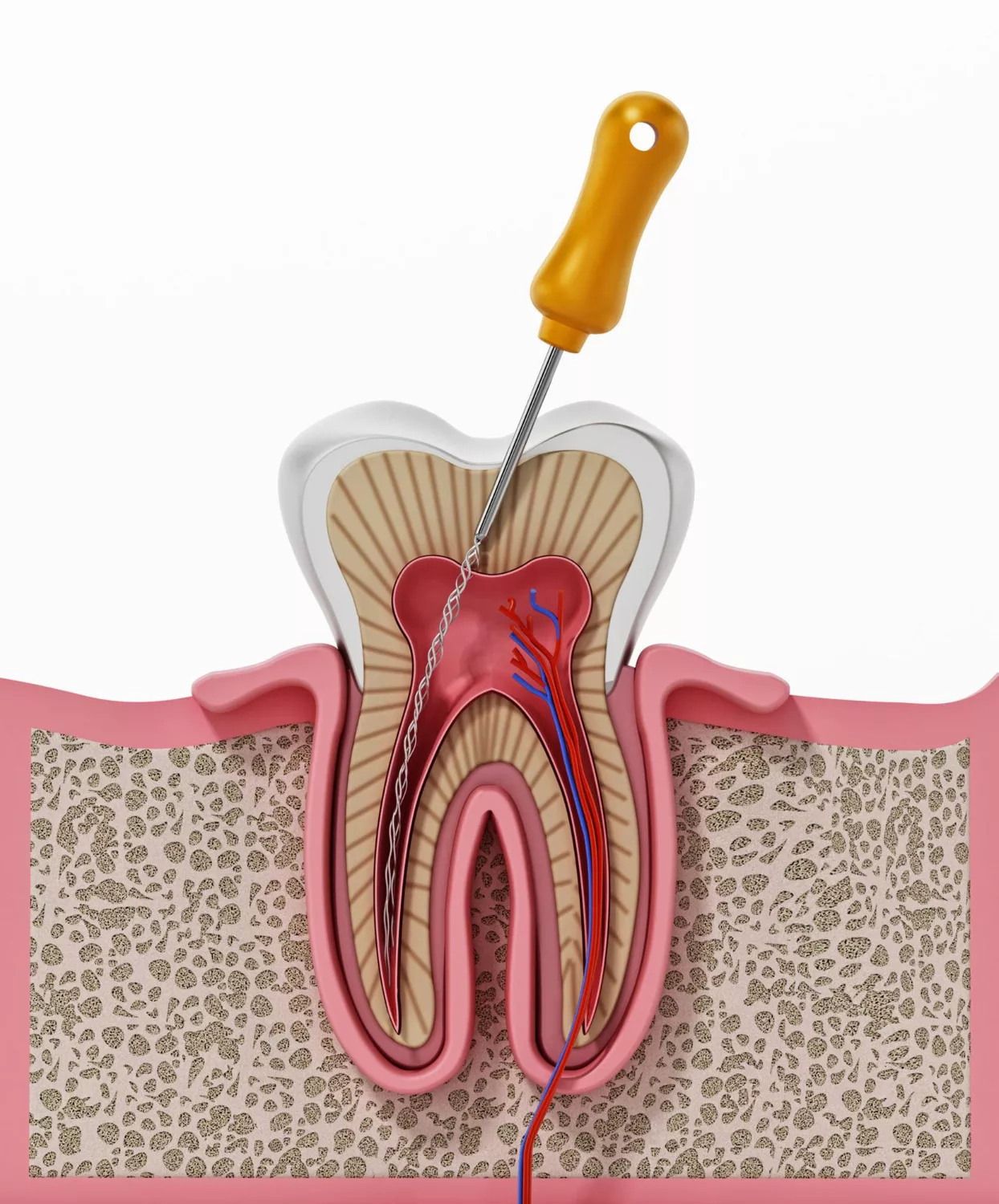
Root Canal Therapy

How It Works: Removes the affected nerve and pulp from the tooth.
When to Consider: For severe sensitivity due to deep decay or infection.

Avoiding Trigger Foods and Habits

Dietary Changes

Reduce intake of acidic, sugary, and very hot or cold foods.

Lifestyle Adjustments

Address habits like tooth grinding with mouthguards.

Preventive Measures

Maintain Good Oral Hygiene

  • Brushing and Flossing: Use a soft-bristled toothbrush and fluoride toothpaste.
  • Regular Dental Visits: Professional cleanings and checkups to monitor and address sensitivity.

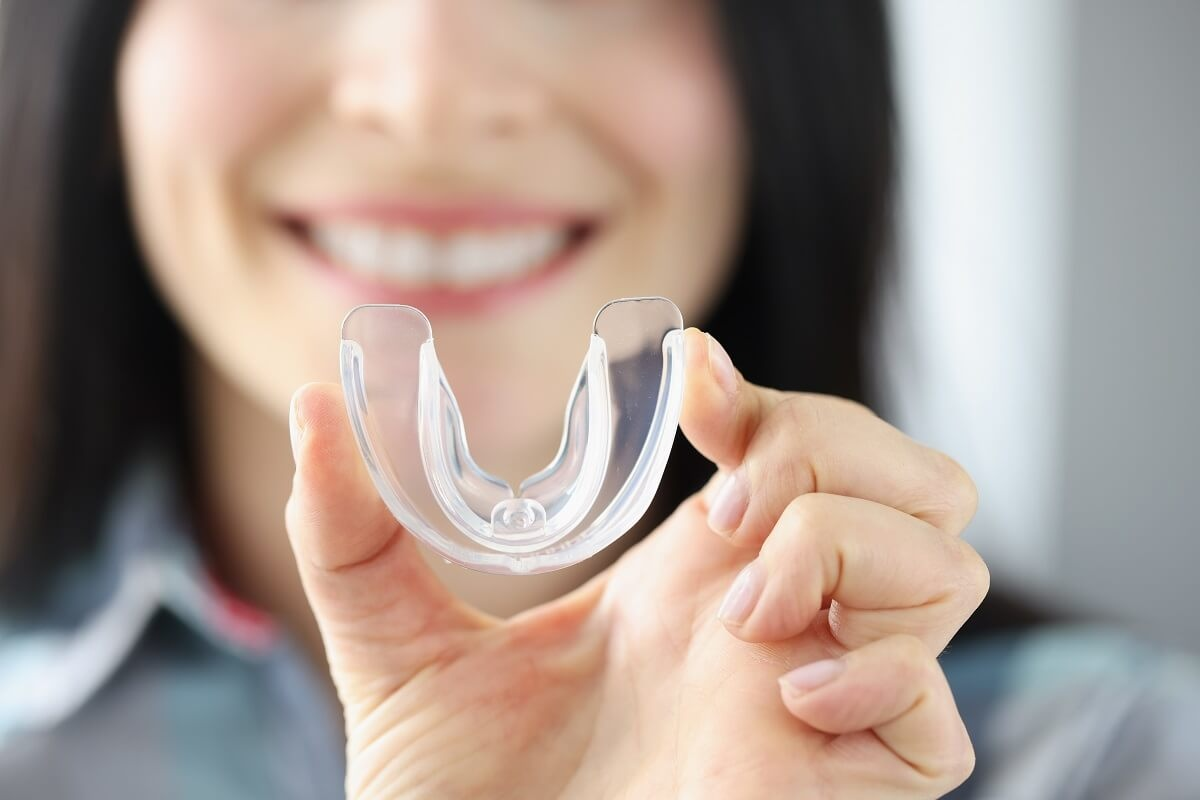
Use a Mouthguard

For Bruxism: Prevent enamel wear by using a custom-fitted mouthguard at night.

Watch Your Diet

  • Limit Acidic Foods and Drinks: Reduce consumption of citrus fruits, sodas, and wine.
  • Rinse After Eating: Neutralize acids by rinsing your mouth with water after meals.

Conclusion

Tooth sensitivity can be managed effectively with the right approach. By understanding the causes and exploring various treatments, you can alleviate discomfort and protect your teeth. For persistent or severe sensitivity, consult your dentist to identify the underlying cause and receive tailored treatment recommendations. Keep your smile healthy and pain-free by maintaining good oral hygiene and making informed dietary choices.

For more tips on dental care and to schedule an appointment, visit our website or contact us today.

Top Tips for Maintaining Healthy Teeth and Gums at Home

Introduction

  • Maintaining healthy teeth and gums at home is crucial for overall oral health. Follow these top tips to keep your smile bright and your mouth healthy.

Proper Brushing Techniques

  • Brush Twice Daily: Use fluoride toothpaste and brush for at least two minutes each time, morning and night.
  • Choose the Right Toothbrush: Opt for a soft-bristled toothbrush and replace it every three to four months.
  • Correct Brushing Method: Hold the toothbrush at a 45-degree angle to your gums and use gentle circular motions.

Effective Flossing

  • Daily Flossing: Floss at least once daily to remove plaque and food particles between teeth.
  • Proper Flossing Technique: Use about 18 inches of floss, gently slide it between your teeth, and curve it around each tooth.

Using Mouthwash

  • Benefits: Mouthwash reduces plaque, fights bacteria, and freshens breath.
  • Choosing the Right Mouthwash: Use mouthwash with fluoride or antibacterial properties.
  • How to Use: Swish for 30 seconds and spit it out to avoid swallowing harmful substances.

Balanced Diet for Oral Health

  • Limit Sugary Foods and Drinks: Avoid sweets, sodas, and acidic beverages that contribute to tooth decay.
  • Eat Nutritious Foods: Incorporate fruits, vegetables, dairy, and lean proteins into your diet for strong teeth and gums.
  • Stay Hydrated: Drink plenty of water to wash away food particles and maintain saliva production.

Avoid Harmful Habits

  • No Smoking or Tobacco Use: Tobacco increases the risk of oral cancer, gum disease, and tooth discoloration.
  • Limit Alcohol Consumption: Alcohol can dry out your mouth and increase the risk of dental issues.

Regular Dental Checkups

  • Visit Your Dentist Biannually: Professional cleanings and checkups are essential for maintaining oral health and detecting problems early.
  • Personalized Advice: Your dentist can provide tailored tips and early intervention for potential issues.

Additional Tips

  • Use Fluoride Products: Fluoride strengthens tooth enamel and prevents cavities.
  • Chew Sugar-Free Gum: Stimulates saliva production and helps clean teeth.
  • Wear a Mouthguard: Protect your teeth from sports-related injuries.

Conclusion

  • Maintaining healthy teeth and gums at home requires consistent effort and good habits. Follow these tips, and visit your dentist regularly for a healthy, beautiful smile.

Summer Smile Makeover: Cosmetic Dental Treatments to Boost Your Confidence

As summer arrives, so do countless social events, vacations, and outdoor gatherings. Whether it’s a wedding, a reunion, or a beach party, a bright and confident smile can make a significant difference. This month, we’re focusing on cosmetic dental treatments that can give you the radiant smile you deserve. Learn about the most popular options and how they can enhance your confidence this summer.

Popular Cosmetic Dental Treatments

Teeth Whitening

Benefits: Achieve a noticeably whiter smile quickly.

Types of Treatments:

  • In-Office Whitening: Professional treatment with immediate results.
  • At-Home Whitening Kits: Custom trays and professional-grade gel for convenience.

Expected Results: Brighten your smile by several shades in a single visit or over a few weeks with at-home kits.

Veneers

How Veneers Work: Thin porcelain shells that cover the front of your teeth.

Benefits: Corrects imperfections such as gaps, chips, and discoloration.

Procedure Overview: Requires minimal tooth preparation and offers long-lasting results.

Dental Bonding

Quick Fixes: Ideal for repairing minor chips, cracks, or gaps.

Cost-Effective: Less expensive than other cosmetic treatments.

Procedure: Involves applying a tooth-colored resin that is shaped and polished to match your natural teeth.

Clear Aligners

Invisalign and Alternatives: Popular for their discreet appearance.

Benefits: Gradually straighten teeth without the need for metal braces.

Treatment Process: Custom-made aligners that you change every couple of weeks.

Consultation with a Dentist

Professional Evaluation: Your dentist will assess your dental health and discuss your cosmetic goals.

Tailored Recommendations: Based on your needs and preferences, the dentist will recommend the most suitable treatments.

Customized Treatment Plans

Personalized Care: Each treatment plan is designed to address specific concerns and desired outcomes.

Timeline and Expectations: Understanding the duration and results of your chosen treatments.

Oral Hygiene Tips

Brushing and Flossing: Maintain a routine of brushing twice a day and flossing daily.

Mouthwash: Use a fluoride mouthwash to strengthen enamel and prevent cavities.

Diet and Lifestyle

Avoid Staining Foods and Drinks: Limit coffee, tea, red wine, and soda.

Healthy Choices: Incorporate fruits, vegetables, and dairy products for strong teeth and gums.

Regular Checkups

Follow-up Appointments: Ensure the longevity of your cosmetic treatments with regular dental visits.

Professional Cleanings: Keep your smile bright and healthy with professional cleanings.

A summer smile makeover can transform your appearance and boost your confidence during the most social season of the year. Whether you choose teeth whitening, veneers, bonding, or clear aligners, the results will leave you smiling all summer long. Ready to enhance your smile? Contact us today to schedule your consultation and learn about our special offers on cosmetic treatments.