 Review Us
  Review Us
Signs You Might Need a Root Canal
25 Feb 2026
Tooth pain is not something to ignore. If you are experiencing severe tooth sensitivity, swelling, or pain when chewing, you may need a root canal. Root canal treatment is designed to remove infection inside the tooth and relieve dental nerve pain before it spreads.
Recognizing the early signs of a tooth infection can help save your natural tooth and prevent serious complications.
What Is a Root Canal?
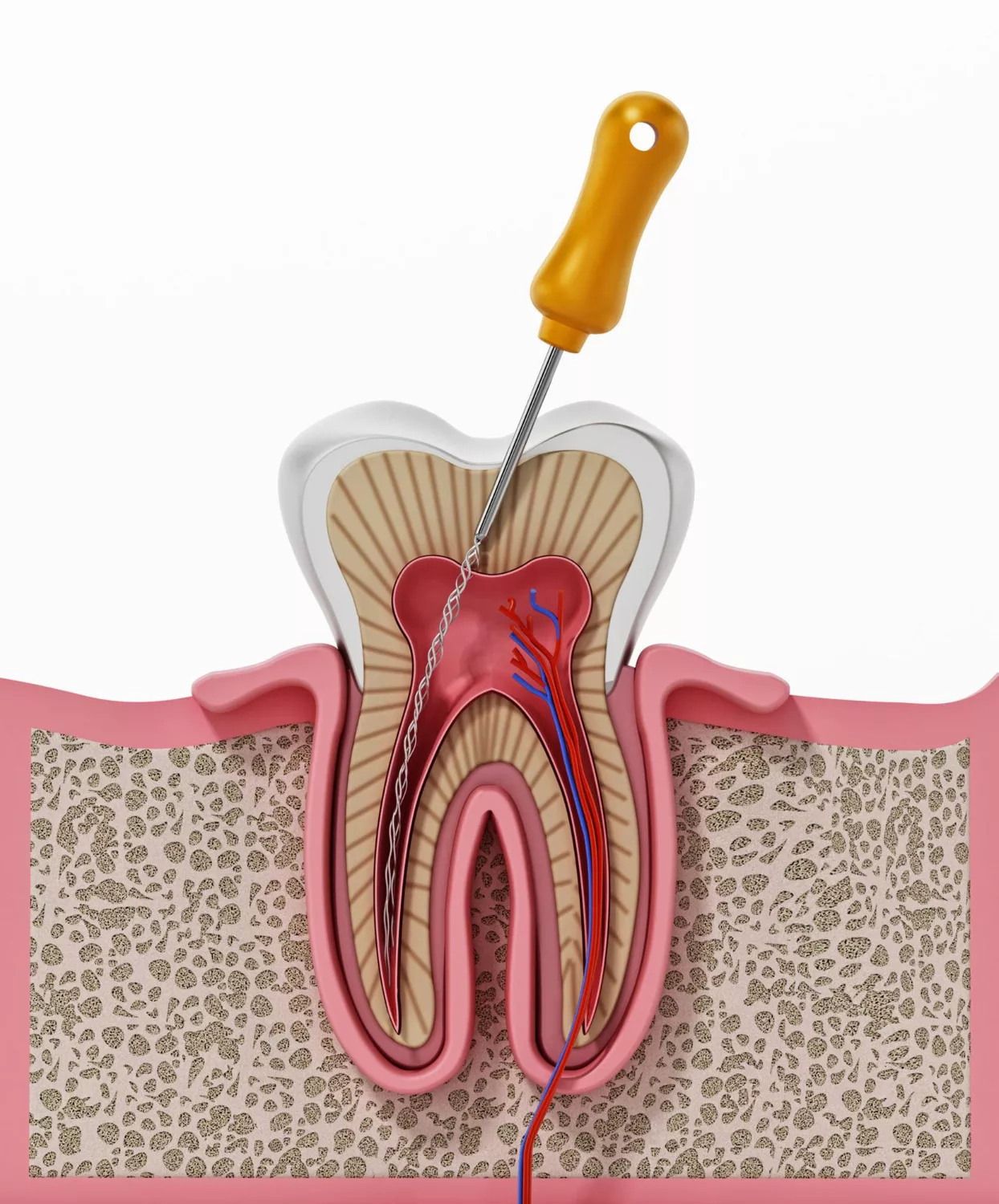
A root canal is a dental procedure used to treat an infected or inflamed tooth pulp. The pulp is the soft tissue inside your tooth that contains nerves and blood vessels.
Common causes of needing a root canal include:
- Deep tooth decay
- Cracked or chipped teeth
- Untreated cavities
- Trauma to the tooth
- Repeated dental work on the same tooth
When bacteria reach the pulp, it can cause infection, swelling, and severe tooth pain.
Common Root Canal Symptoms
“How do I know if I need a root canal?” look for these warning signs:

Persistent Tooth Pain
- Constant or throbbing pain
- Pain that worsens when chewing
- Tooth pain that spreads to the jaw or ear
Ongoing dental pain is one of the most common signs of a tooth infection.
Lingering Sensitivity to Hot or Cold
- Sensitivity that lasts more than 30 seconds
- Sharp pain from hot coffee or cold drinks
- Discomfort that does not fade quickly
This often indicates nerve damage inside the tooth.
Swollen or Tender Gums
- Swelling near a painful tooth
- Red or inflamed gum tissue
- Tenderness when touching the area
Gum swelling may signal infection beneath the surface.
Darkened or Discolored Tooth
- A tooth turning gray or darker than surrounding teeth
This can occur when the nerve inside the tooth begins to die.
A Pimple or Abscess on the Gum
- Small bump near the tooth
- Pus drainage
- Bad taste in the mouth
This is a sign of a dental abscess and requires immediate attention.
What Happens If You Don’t Get a Root Canal?
Delaying treatment can lead to:
- Spread of infection to nearby teeth
- Bone loss around the root
- Severe facial swelling
- Increased pain
- Tooth extraction
An untreated tooth infection will not go away on its own.
What to Expect During Root Canal Treatment
During treatment:
- The area is completely numbed
- The infected pulp is removed
- The inner canals are cleaned and disinfected
- The tooth is sealed
- A dental crown may be placed for strength and protection
Most patients experience relief shortly after the procedure.
When Is a Root Canal an Emergency?
- Severe swelling of the face or jaw
- Fever
- Difficulty swallowing
- Intense, unrelenting tooth pain
These symptoms may indicate that the infection is spreading.
What to Remember
If you are experiencing tooth sensitivity, severe dental pain, or signs of infection, don’t wait. Early root canal treatment can eliminate infection, relieve pain, and prevent tooth loss. Prompt care protects your oral health and prevents more complex dental problems in the future.
Frequently Asked Questions
Is a root canal painful?
Modern root canal therapy is no more uncomfortable than getting a filling. The procedure is designed to relieve pain caused by infection.
How long does a root canal take?
Most root canal treatments take 60 to 90 minutes, depending on the tooth and severity of infection.
Can a root canal save my tooth?
Yes.
Root canal therapy removes infection while preserving your natural tooth structure.
How do I know if my tooth is infected?
Common signs include persistent pain, swelling, sensitivity, and discoloration.